
Refrigerator Locks for Adults with Dementia: A Caregiver's Guide
Caring for someone with dementia often means rethinking the kitchen. The refrigerator is one of the first places families look: it holds food that can spoil, items that need limits, and sometimes medication. A simple fridge lock can take a daily worry off your plate without making home feel locked down.
This guide covers why caregivers lock the fridge, which lock fits which refrigerator, and how to do it in a way that keeps your loved one comfortable.
Why caregivers lock the refrigerator
Every family's reasons are different. The ones we hear most often from caregivers:
- Spoiled or unsafe food. Someone with memory loss may not notice food that has gone bad.
- Eating beyond what's healthy or planned, including repeat meals when a recent one is forgotten.
- Medication kept in the fridge that should only be given by a caregiver.
- Nighttime trips to the kitchen while the rest of the house is asleep.
A lock is one tool among many. Talk with your loved one's doctor or care team about what's right for your situation, especially around diet and medication.
Which lock fits your refrigerator
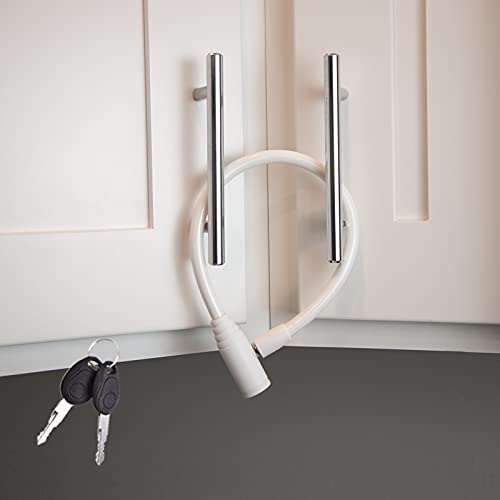
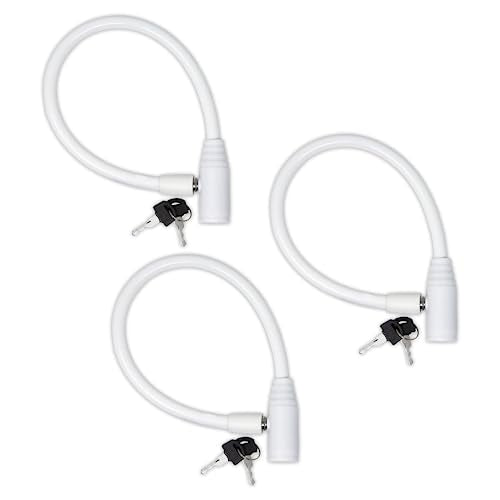
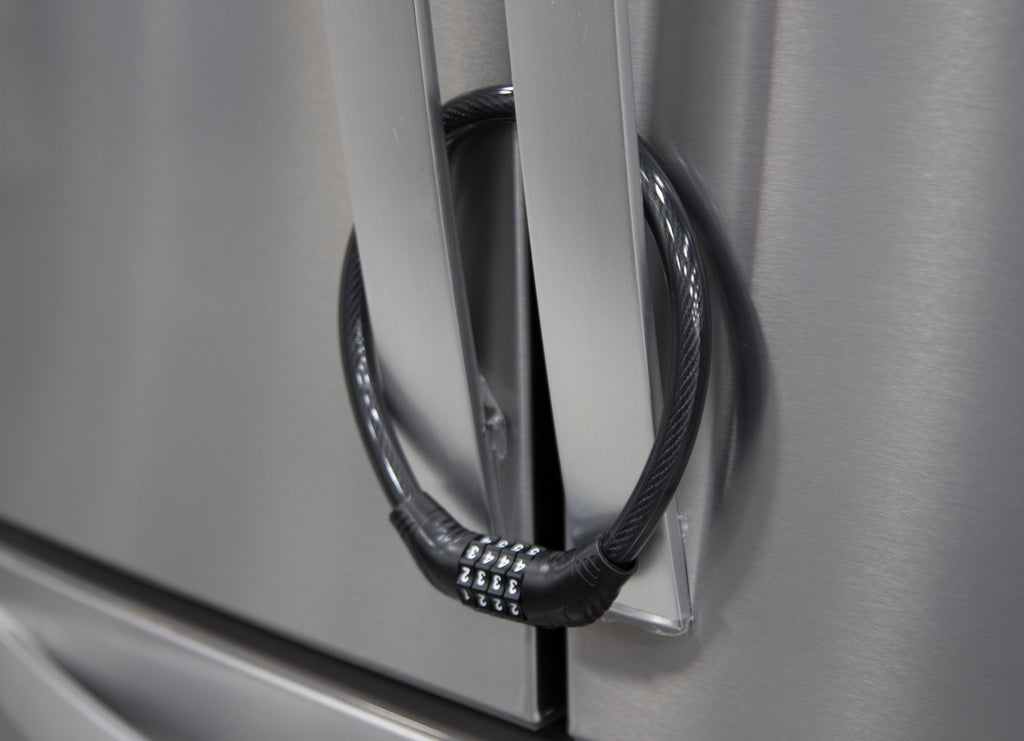
- French-door or side-by-side fridge: the Cable Keyed Lock or Cable Combination Lock loops through both handles. No drilling, screws or adhesive, so nothing marks the fridge.
- Handles 8 to 13 in apart: the reinforced MAX Lock, in a short (8 to 10.5 in) or long (9.75 to 13 in) size.
- Want to lock up just a few items instead of the whole fridge: the Urban August Lockbox sits on a fridge shelf and opens with a 4-digit code or a key. It works well for medication or specific foods, while everything else stays open.
Not sure about the fit? Our fridge lock size guide takes two minutes.
Keyed or combination?
- Keyed suits homes with one main caregiver. Keep the key on your key ring and there's no code to remember or overhear.
- Combination suits homes with several caregivers, aides or family members on rotation. Everyone shares the code, and you can change it any time (how to set your code).
Tips to keep home calm
- Leave something open. A shelf, drawer or basket of safe snacks and drinks your loved one can reach anytime helps the locked fridge feel less like a barrier.
- Lock only when you need to. Many families lock the fridge just overnight or while a caregiver is out.
- Keep it low-key. A small cable lock draws less attention than a big hasp or chain.
- Make sure every caregiver can get in quickly, with a spare key or the code written somewhere safe.
Why we make these locks
Urban August started with family. Our founder grew up with a younger brother with developmental disabilities, and saw firsthand how much the right tools matter at home. Today we design and test our locks on more than 200 refrigerator models, and caregivers regularly tell us how much calmer home has become. Read our story.
Related post
22
Apr